


A Guide to Delmarva’s Nature Conservancy Properties

It’s hard to imagine that an environmental nonprofit with global priorities has a local presence right here on our little peninsula, but The Nature Conservancy is working hard to protect sensitive habitats, old growth forests, and some rare species that call Delmarva home.
Before we dive into this guide, it’s extremely important to understand that The Nature Conservancy (TNC) works tirelessly to strike a balance between protecting these ecosystems while still welcoming public visitation. Some may say we shouldn’t be inviting people to explore these landscapes at all, and that these areas should be strictly set aside for nature to thrive without being disturbed by humans. On the other hand, we as humans will only advocate for what we value as important, and if we can’t experience these lands first hand, we will be less likely to advocate for their protection.
It’s a delicate balance. It’s not easy. So the best thing we can do is to invite you to visit these distinctive places in the most respectful and sustainable ways. Here are some cardinal rules to follow when visiting any public lands:
Leave only footprints. Take only photos. Dispose of all waste appropriately.
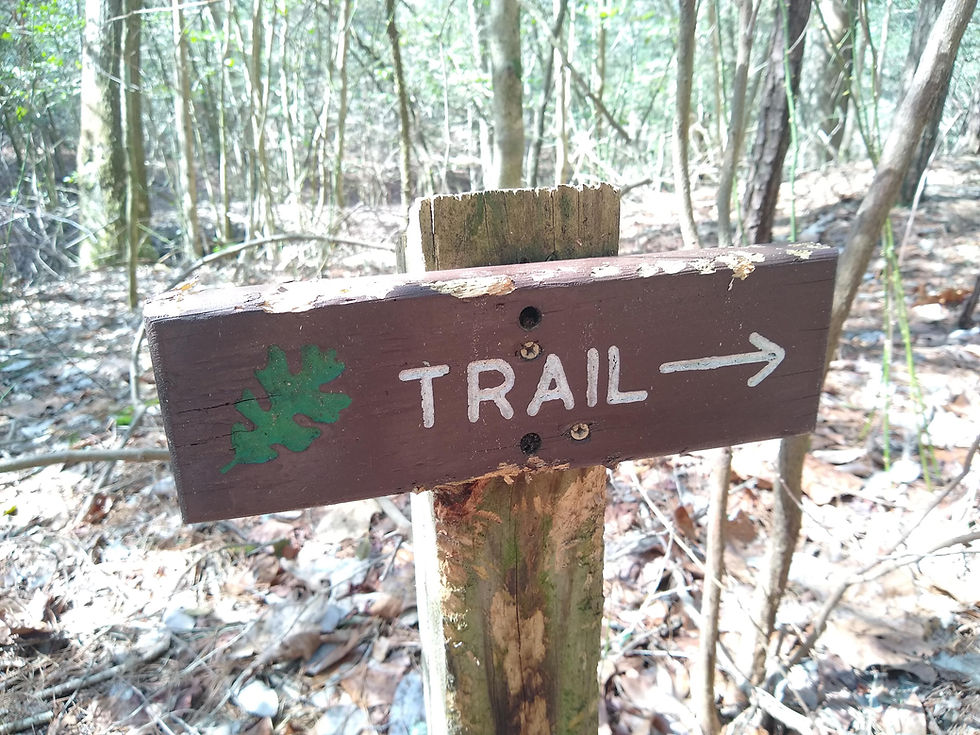
Remain on the designated trail. TNC has well-marked trails for a reason - to allow you to be immersed in the setting, while minimizing disturbance to sensitive habitats.
Respect the established carrying capacity of the site. If the parking lot is full, leave and come back at a less-crowded time.
Follow all posted rules. If the sign says no dogs, be respectful and take your dog elsewhere. Our trail search engine has a dog-friendly filter! If the sign says no bikes, find another place to ride with our bike trail search engine.
Be prepared. Most TNC properties have minimal facilities. That means no restrooms and no trash cans. As you embark on your adventure, plan accordingly.
If you think you can respect the above rules, then let’s dive into Delmarva’s TNC properties!
TNC in Delaware
Let’s begin in Delaware. TNC is a strong advocate for protecting Delaware’s Bayshore and finding nature-based ways to support the state’s coastal resiliency. While they don’t manage any publicly-accessible properties along the Bayshore, it’s important to acknowledge their advocacy work along the coast. For tips on visiting non-TNC public lands along the Bayshore, check out our Delaware Bayshore guide.
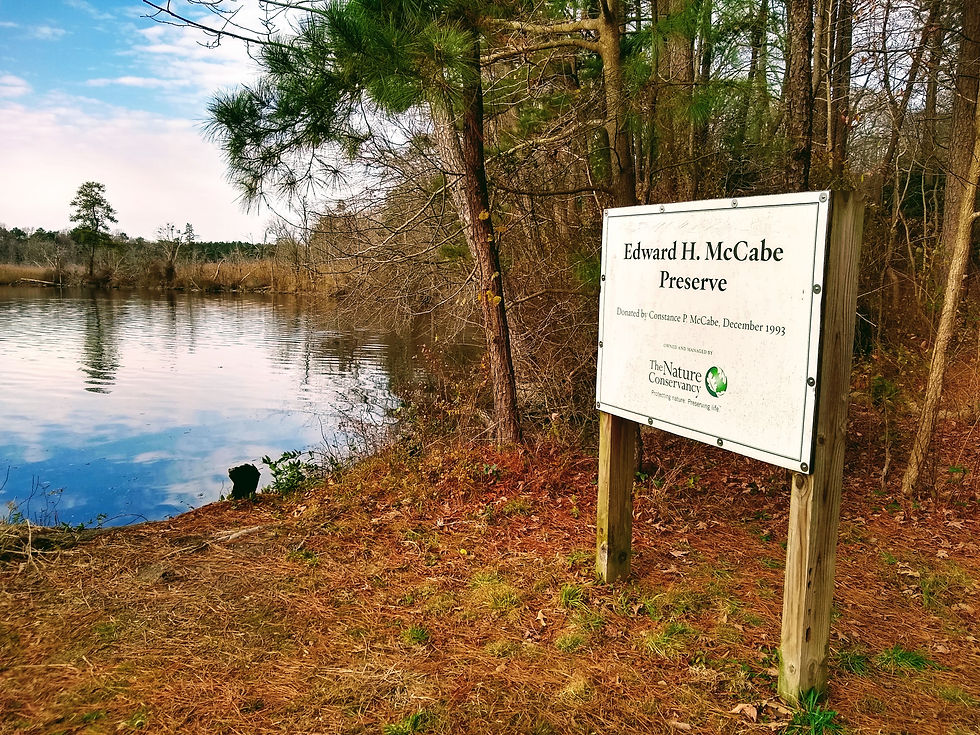
Just inland from the Bayshore, is the Edward H. McCabe Preserve, outside the town of Milton. This site runs along the Broadkill River and consists of tidal marsh, swamp forest, and upland forest. There is a 2-mile trail system to explore and kayak access. The kayak launch is pretty far from the parking area, so the best thing to do is to launch at Milton Memorial Park and paddle downstream into the preserve. Check out the preserve brochure for more information about the species that are being protected here.
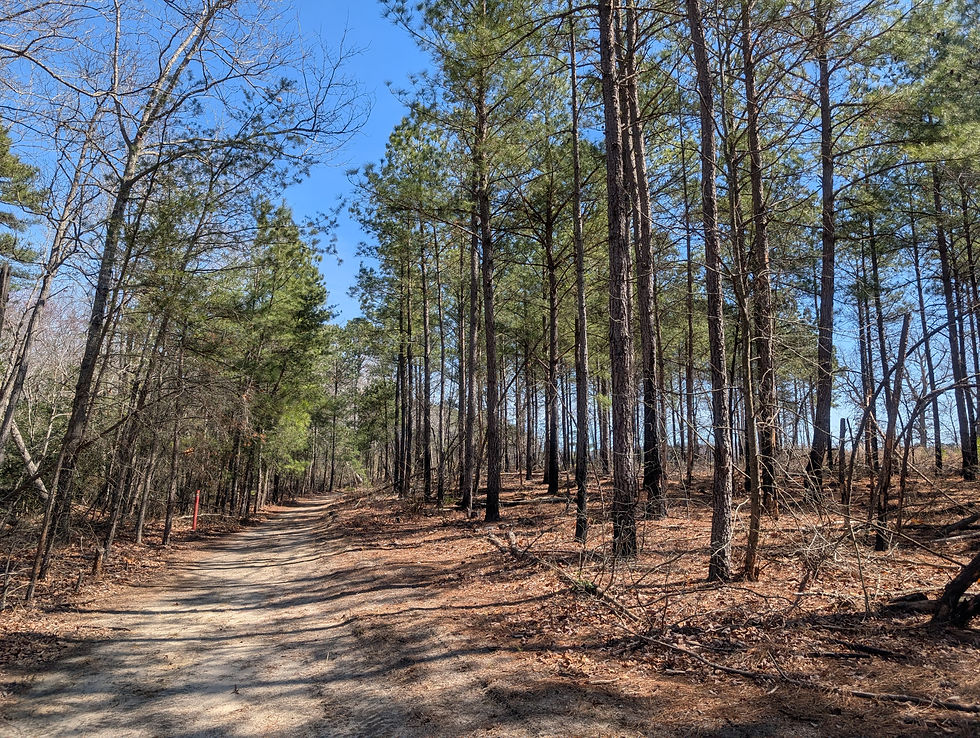
Not far from McCabe Preserve is the Ponders Tract, another site managed by TNC in Delaware. Here you’ll find 9 miles of trails through woodlands of varying stages of succession, as this land was once used for timber production. The Ponders Tract is most known for spotting migrating birds and a variety of amphibians, but recently, the state’s largest White Cedar was found here. For a list of species that can be observed, check out the Ponders Tract brochure and bird checklist.
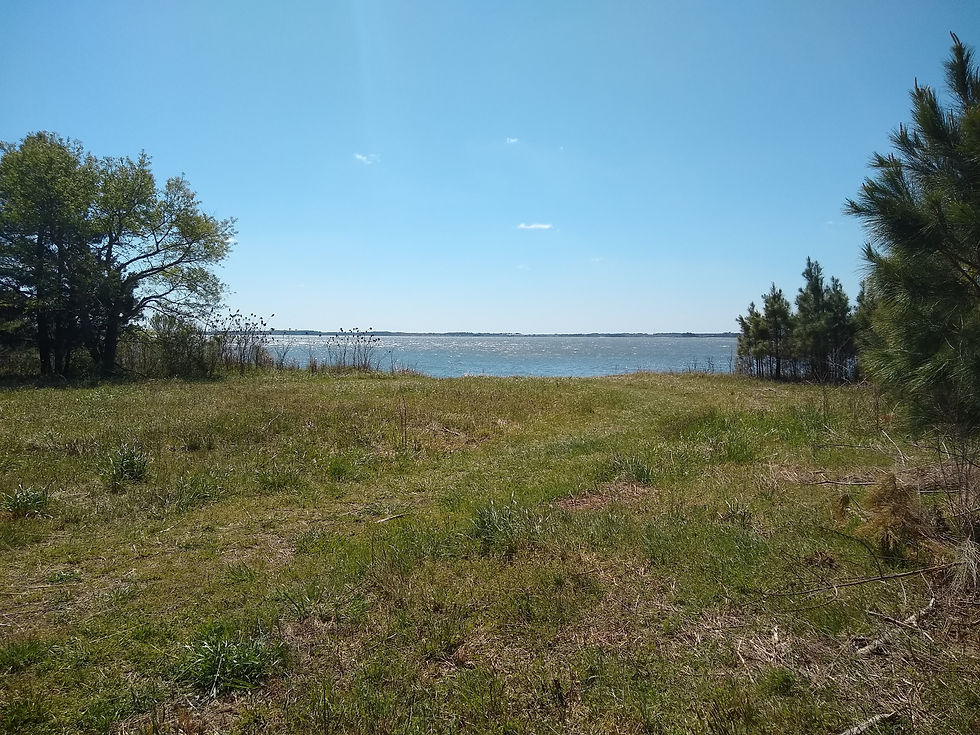
Another property in Delaware that has been preserved by TNC but is now managed by DNREC Fish & Wildlife, is Okie Preserve, located in Long Neck. In 1997, the Okie family of Sussex County placed their land under a conservation easement - the first TNC easement in Delaware! At the time, it was known as Bullseye-Ferry Landing Preserve. After adding additional acreage to the easement in 2007, it was transferred to the State and established as the Marian R. Okie Memorial Wildlife Preserve at Poplar Thicket. There are several trails to explore at Okie Preserve, as well as a beach overlooking the Indian River, Bay, and Inlet Bridge.
TNC in Maryland
Moving into Maryland, next up is Choptank Wetlands. This preserve is primarily brackish wetlands surrounding Kings Creek, a tributary of the Choptank River. It can only be accessed by canoe, kayak, or small boat, and is considered to be one of the most important natural areas in the Chesapeake Bay. Be sure to read over the visitors guide to get a basic understanding of this extraordinary ecosystem before visiting.
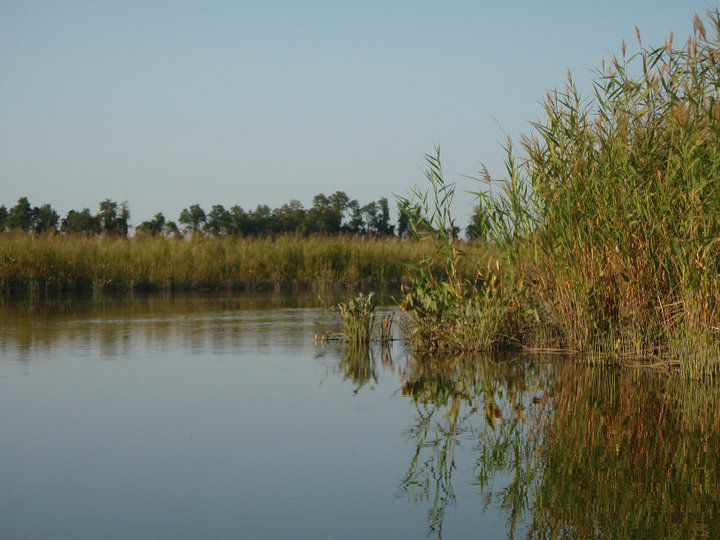
To get there, bring your canoe or kayak to Kingston Landing. Once you launch, head downstream and make your first right at the mouth of King’s Creek and be ready to immerse yourself in the unique sights and sounds of the surrounding wetlands.
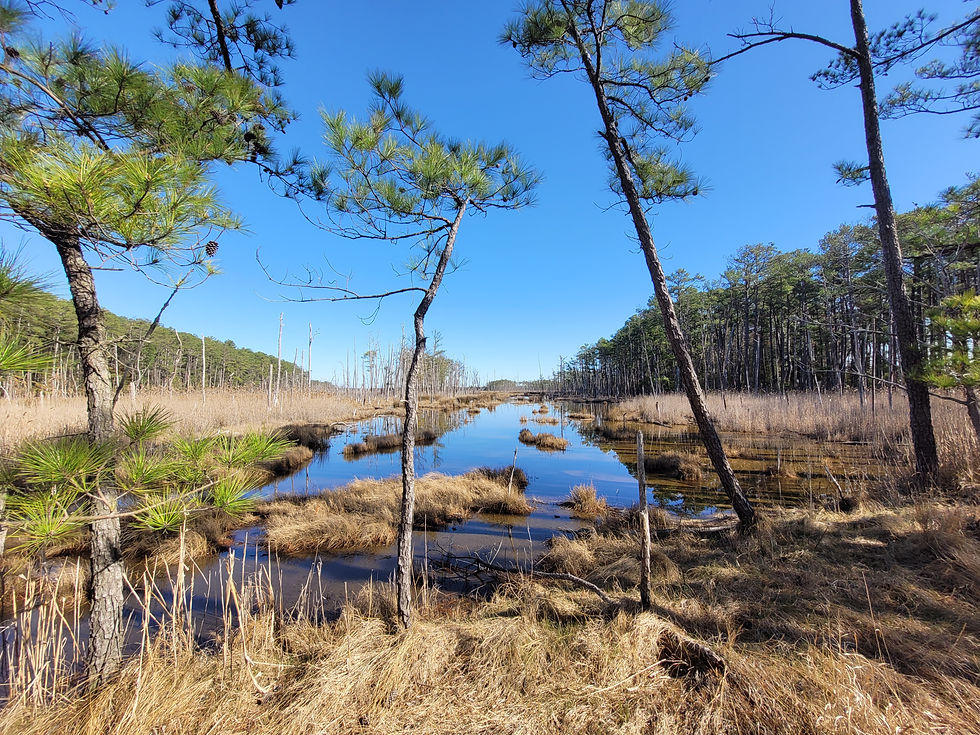
Further down on Maryland’s Eastern Shore is another gem of a landscape located on Taylor’s Island: Robinson Neck Preserve. Brackish marshes here are framed by nearby upland forests, providing striking scenery and crucial habitat for waterfowl, eagles, and the federally endangered Delmarva fox squirrel. The trail is over a mile long and has some convenient boardwalks to keep your feet dry as you make your way near the wetlands. Check out the preserve’s visitors guide to learn more about the species that are being protected here.
The most well-known TNC property on Maryland’s Eastern Shore has to be Nassawango Creek Preserve. This preserve consists of several different tracts of land, totaling almost 10,000 acres, spread across both Wicomico and Worcester Counties. The first tract is located a little east of Salisbury. Formerly known as the Cordrey Tract, the site has recently been renamed the Ron Wilson Memorial Trail. This 0.7-mile trail loops through the woods, with portions bordering the bald cypress swamp. In fact, one of the state’s largest bald cypress trees is located here.
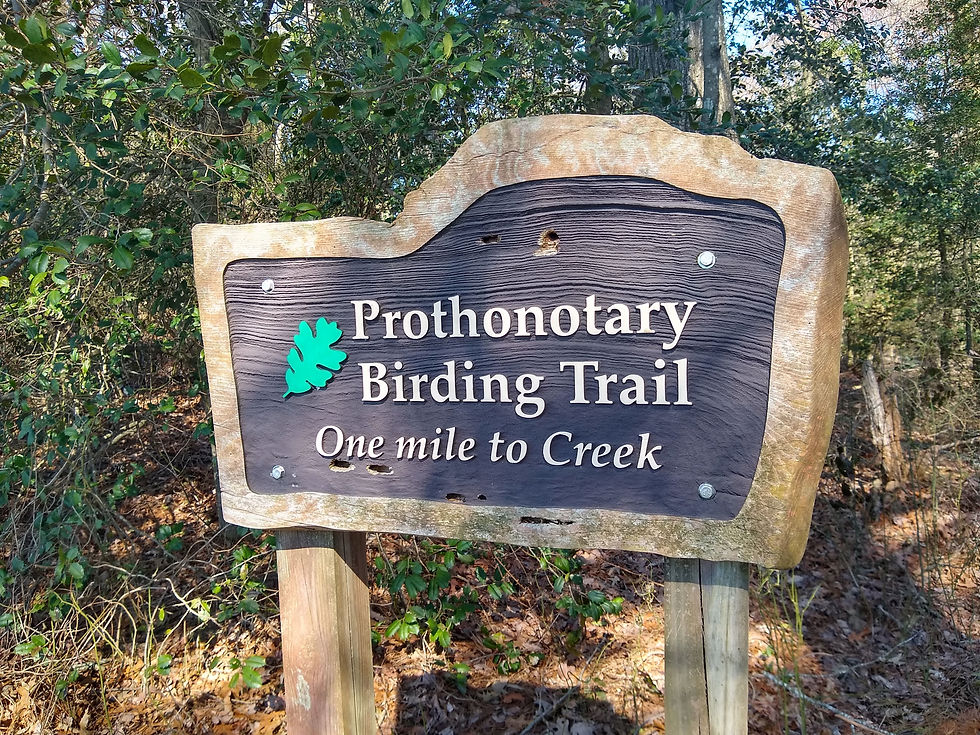
Down closer to Snow Hill you’ll have a choice of three different trails within Nassawango Creek Preserve. The Prothonotary Birding Trail runs adjacent to Nassawango Creek, the Paul Leifer Trail meanders through the upper reaches of the swamp near Historic Furnace Town, and the Nassawango Joe Trail runs through the forest from the kayak launch at Red House Rd, all the way up near the entrance to Furnace Town.
Nassawango Creek is well-known by birders for its crucial habitat for migrating warblers and other neotropical bird species. The surrounding woodlands provide an important wildlife corridor for a variety of forest interior dweller species. In the spring and fall, rare orchids can sometimes be spotted, such as the pink lady’s slipper and Indian pipe.
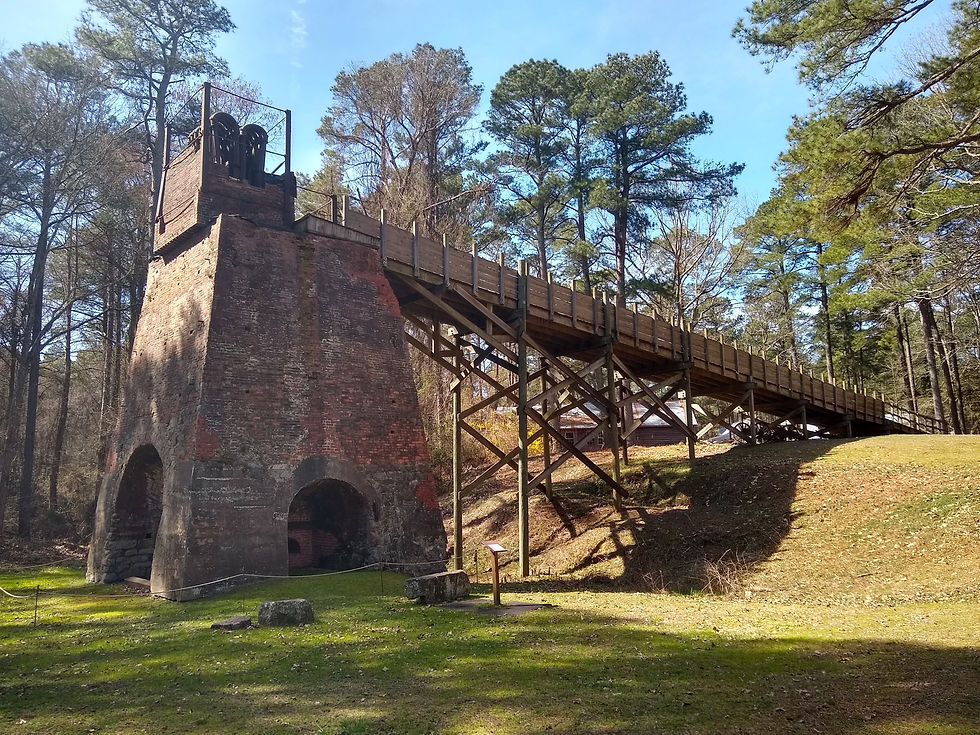
The creek itself also has a fascinating history. From 1828 to 1850, the Nassawango swamp was a place where bog ore was harvested to be made into charcoal. The iron furnace still stands today, and is the heart of the Furnace Town historic site. What was once a bustling town of tradesmen and laborers in its heyday, is now an incredibly quiet landscape and unique ecosystem.
TNC in Virginia
One of the most significant TNC landscapes on Delmarva is a string of properties on Virginia’s Eastern Shore, most of which are barrier islands. The Volgenau Virginia Coast Reserve consists of 14 undeveloped barrier islands, the longest stretch of undeveloped shoreline on the east coast. TNC is working to conserve and restore a wide range of habitats, preserve land, protect coastal communities, and uncover the history of this coastline. This video explains much of their important work in more detail.
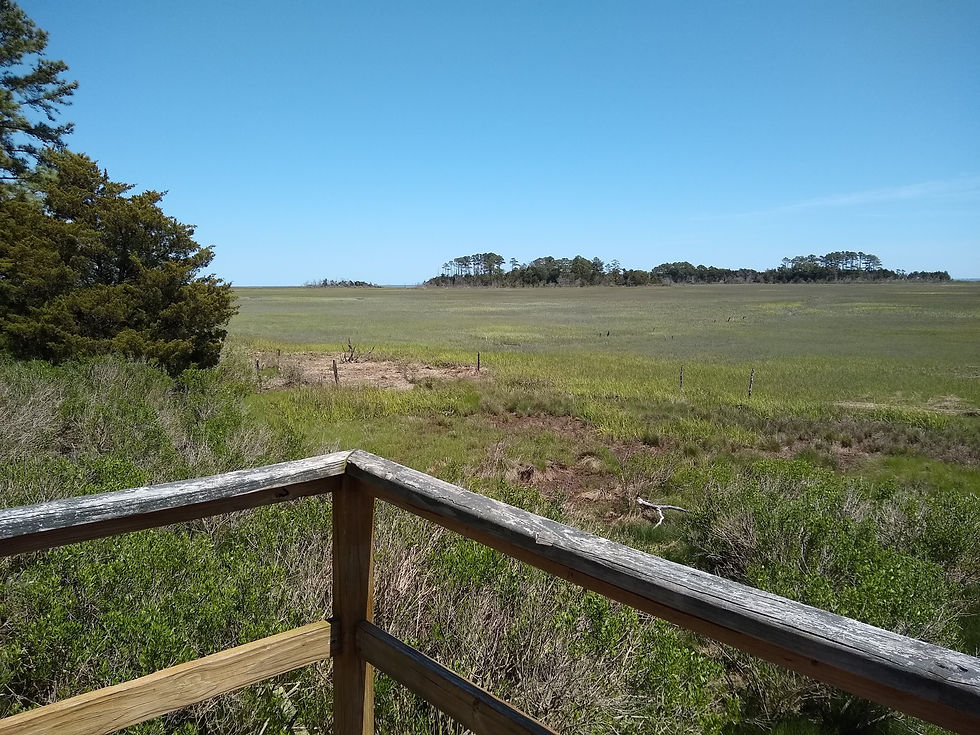
The Volgenau Virginia Coastal Reserve is headquartered at Brownsville Preserve, a property on the mainland that is open to public visitation. There’s over a mile of trails to walk through wetlands and along old farm roads. From manmade impoundments to an observation deck, there are ample opportunities for observing wildlife. Check out the trail brochure to see a map and read about the specific habitats and species that can be seen here.
Most of Virginia’s barrier islands are owned and managed by The Nature Conservancy, and many of those TNC-owned islands are open to day-use visitation. The tricky part about visiting these islands is that all of them are, you guessed it, only accessible by boat. There are several small ecotour businesses that will take small groups out to the islands. They are also accessible by kayak, although paddling out to the barrier islands should only be attempted by experienced paddlers, as the tidal currents can be very strong and difficult to read.
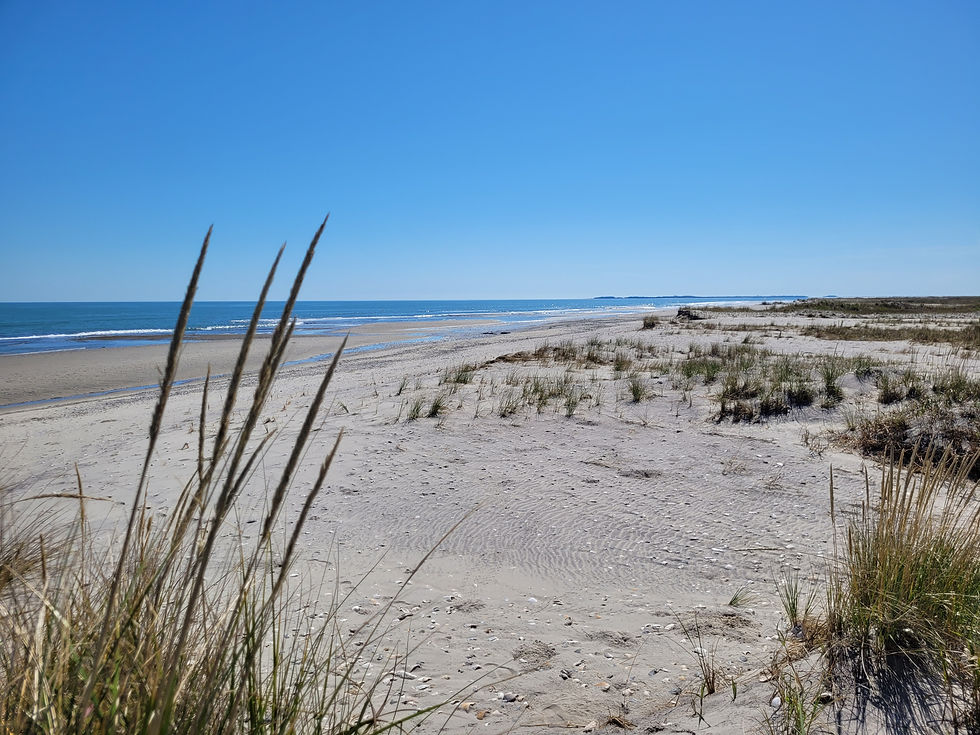
No matter what method you choose to reach the islands, it’s vital to understand which islands you plan to visit and the seasonal restrictions that exist on each island. Explore Our Seaside is an excellent resource to review while planning your visit. Virginia Water Trails is also a great resource for those looking to paddle this region.
While these landscapes are breathtaking, their beauty is matched only by how fragile they are. Delmarva’s Nature Conservancy properties serve as more than just scenic landscapes; they are some of the last strongholds for rare species and serve as anchors of our peninsula’s broader ecosystems. Preserving the integrity of these marshes, forests, and beaches is essential for the conservation of Delmarva’s natural resources. By treading lightly and respecting the established rules, you help ensure that these delicate environments remain vibrant and undisturbed for generations to come.


